
One of the biggest misconceptions about STI testing is that results will always be accurate immediately after exposure.
In reality, different infections have different testing windows.
How Soon After Exposure Should You Get Tested for an STI?
The answer depends on the specific infection.
Some STIs can be detected relatively soon after exposure, while others may require a longer waiting period before testing becomes reliable.
If you believe you’ve been exposed to an STI, it’s often best to speak with a healthcare provider who can recommend the appropriate testing schedule based on your situation.
In some cases, immediate medical attention may also be recommended.
I Had Unprotected Sex While Visiting Toronto. Should I Get Tested for STIs?
Many people seek STI testing after having unprotected sex with a new or unknown partner.
Testing may be worth considering if:
- A condom was not used
- A condom broke during intercourse
- You are unsure of your partner’s STI status
- You have developed symptoms after sexual contact
- A partner has informed you of a positive STI test
Even if you feel completely healthy, testing may still be appropriate.
Many STIs can be present without causing noticeable symptoms.
Can You Have an STI Without Any Symptoms?
Yes.
In fact, many sexually transmitted infections cause few symptoms or no symptoms at all.
A person may carry and transmit an infection without realizing it.
This is one reason why routine STI testing remains an important part of sexual health.
Common infections that may be asymptomatic include:
- Chlamydia
- Gonorrhea
- Human papillomavirus (HPV)
- HIV
- Hepatitis B
Because symptoms are not always present, testing is often the only way to know for certain whether an infection is present.
What Are the Most Common STI Symptoms People Ignore?
Some STI symptoms can be subtle and easy to dismiss.
Common symptoms that should not be ignored include:
- Burning during urination
- Unusual discharge
- Genital itching
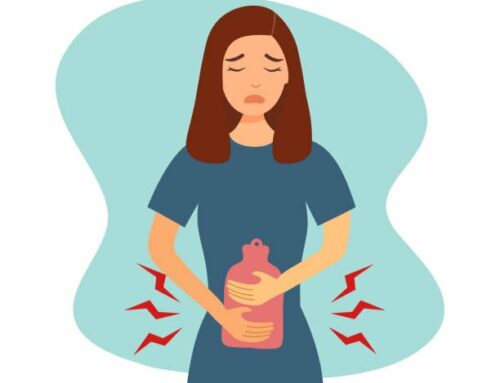
- Pelvic pain
- Pain during intercourse
- Sores or ulcers
- Skin rashes
- Swollen lymph nodes
Some people assume these symptoms will disappear on their own.
However, untreated infections can sometimes lead to complications and may be passed to others.
When Should You Consider STI Testing?
You may want to speak with a healthcare provider if:
- You’ve had a new sexual partner
- You’ve had unprotected sex
- Your partner has tested positive for an STI
- You’re experiencing symptoms
- You want reassurance about your sexual health
Testing recommendations vary based on personal circumstances, risk factors, and symptoms.
A healthcare professional can help determine what testing may be appropriate for you.
What Happens During STI Testing?
Many people are surprised by how simple STI testing can be.
Depending on the situation, testing may involve:
- A urine sample
- A blood test
- A swab sample
- A physical examination
The exact testing process depends on the infection being assessed and your symptoms, if any.
Need STI Testing or Sexual Health Advice in Toronto?
If you’re visiting Toronto or live in the area and have questions about STI testing, symptoms, or sexual health concerns, the healthcare team at SanoMed Walk-In Clinic can help.
Our providers offer confidential assessments and can discuss testing options based on your individual circumstances. Early evaluation can provide clarity, support your health, and help ensure appropriate care when needed.


 Chat with an AI agent